
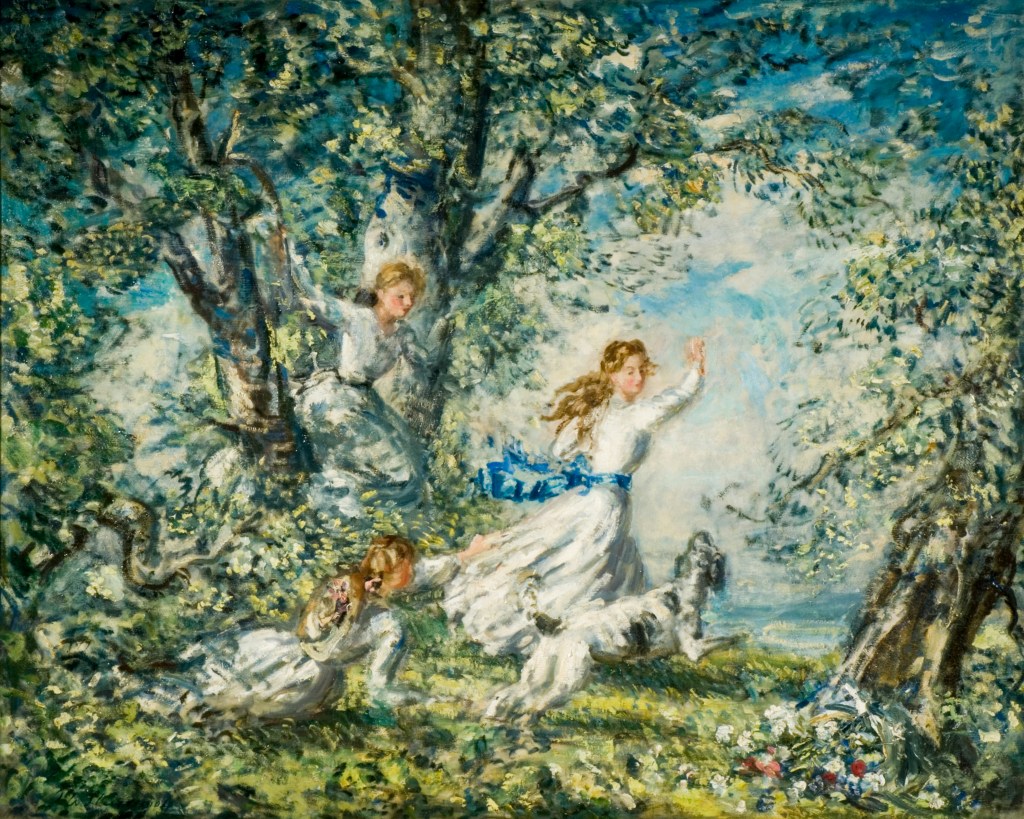
Think of a moment when you really enjoyed something. The momentary feeling of butterflies in your stomach as you gazed at a beautiful sunset, saw a pretty green meadow, sipped on a nice cup of tea, laughed over a very funny joke, or listened to a wonderful melody. To me, that feeling has always seemed otherworldly: as if for one moment, I’m lifted off of earth. It is in those moments that I get a true sense of what it is like to be with God.
As a thing of pious folktale, I have often imagined that when God made our hearts, He chipped off a bit to make it incomplete, then left traces of the completing pieces in the small beautiful things of life. Each piece leads nearer to His home up in heaven. In order words, He’s left His signature on every tiny bit of creation to remind us that He exists, and to make us trace every beautiful living thing back to Him. What are these things? I suppose it’s everything. Everything that is true, good, natural, and beautiful. From whence have we gotten the idea of romanticizing life? Is it not from the yearning of our incomplete hearts for the One who made beauty and is beauty itself? We seek to take pleasure in the small joys of life because it serves as a perpetual reminder of God, who is our completeness.
Among many things, the good Lord has given us gifts to make our lives merry while we trudge through this vale of tears, and above all, to give us a taste of something much more sweet than what we can ever experience in this mortal life.
Good Food
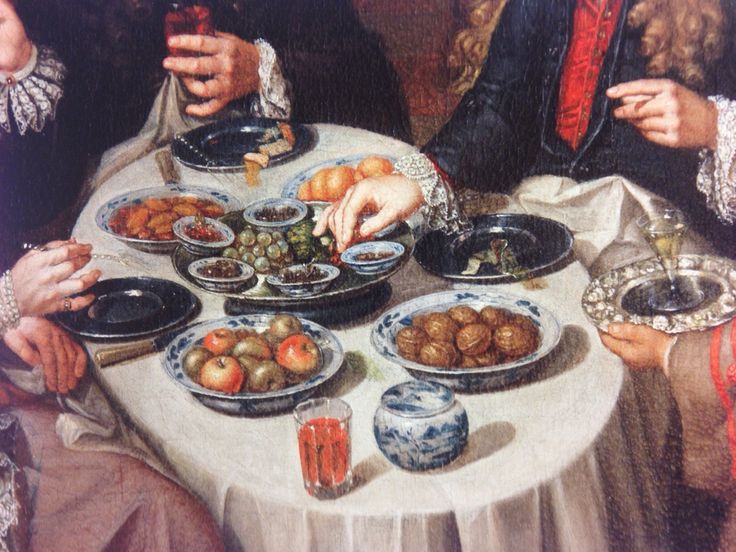
We all know how good food is. Not just for our health and survival, but eating good food is a pleasurable thing. In fact, it’s most pleasurable when we prepare it well; sit down to enjoy it; have conversations over it; and bond over it. Whole activities have been made out of food, e.g. Apple picking, wine tasting, etc. Food is the most relatable and communicative activity of mankind. While animals may munch mindlessly on grass or hay, we as rational creatures get to use our sense of taste to experience the variety of God’s nature in our mouth and make meaningful connections while at it.
Personally, it is mostly during my meals, whether in quiet or with people, that I have meditated. While savoring each taste in my mouth, I look out the window and just… think. Usually, I do this in the morning, before the hustle of the day begins. Unless I am listening to the morning news or reading an article, I try to set aside all distractions every once in a while to truly savor a meal.
Concerning that, there is something I have learned from the French. The French are known for taking time to enjoy their meals, and they value the quality of food over its quantity. What makes any food good is moderation. If you sat down every day and ate three baskets of bananas, you would get sick of bananas in no time. If you rushed through every bite of your meal at lunch, lunch would soon become a task, not a pleasure (and sadly, that is the case for most people). If you ate low-quality or highly processed food all the time, you would certainly lose the idea of good food. All of these instances are what I have found to be a problem in the modern era of fast and ready-made meals. People have lost the culture of preparing and having good food, and along with it, lost the gift: A gift that is supposed to be cherished every moment.
Not everybody has the time to be a magical hobbit in her hole, preparing breakfast, elevenses, supper, and the rest. Some barely have a filled pantry (like me…). However, putting the effort into buying good natural foods as much as possible is worth the pain. When it comes to preparation, there are many easy and yummy recipes out there that I have found helpful as a student. Sometimes, a store-bought sandwich will find its way into my lunch, but home-cooked meals are what I try to include mostly into my eating schedule. Balancing your diet is the key. Whenever I remember how great eating properly and well makes me feel, I honestly forget the hassle.
Good food is part of what makes life so magical. That includes eating moderately, properly, and enjoyably. Even if all you have is a bag of sliced bread or a crate of eggs, cherish what you have, and the food will taste better.
Music

My heart always skips a beat when I hear the sound of the piano, the violin or the harp. It does something to my interior that makes me stop to relish the sound, and for a while, I feel better. As Plato once said, “Music is a moral law. It gives soul to the universe, wings to the mind, flight to the imagination, and charm and gaiety to life and to everything.”
Indeed, no matter how melancholy I’m feeling, music always numbs the wound. Like a gentle caress to the soul, reminding it that there is a good God who is so full of love. For that reason, just like food, music has to be good for its gifts to be cherished.
Why is music so spiritual? Because it can change a person and even a society, and the only way to do so is to touch the soul. If one wants to check the nature of a civilization, one should check for the music of that civilization, then one would find its soul. We can all acknowledge that there is good music… And not-so-good music. We can see what category each music is simply by looking at its fruits.
From time immemorial, music has been used to bring people together, express the sentiments of a person or society, tell the story of a particular culture, etc. The very sounds of nature are music, all synchronized to express the order in which all was made. The sound of the cock crowing marks dawn; that of the owl marks night; the crackling of fire means warmth; and the spattering of rain, that harvest is near. I could go on forever. All in all, music is an expression. As Leo Tolstoy put it, “Music is the shorthand of emotion”. I would add “of nature and all that lives”, because only living things make sound. Only things that are alive make music. So naturally, music is supposed to be good, because nature is good. But what happens when we twist it for evil means? We get bad realities (war, depression, violence, etc.). While there are many quirky tastes for various kinds of music out there, one should always check the effects their type of music has on them. And I mean, on the behavior. Does the music you listen to make you angry, depressed, violent? Does it inspire you to behave well? Believe it or not, music affects our behavior, because again, it touches the soul.
One spectacular book I once read on this topic is titled ‘Good Music, Sacred Music, and Silence: Three Gifts of God for Liturgy and Life‘. This is majorly a Catholic book, but I believe the author made very valid and inspiring thoughts about music that anyone can digest.
Now, the most unpopular type of music… Is silence. In a world of distraction and constant noise, sometimes, all you need is no sound. As counterintuitive as it sounds, silence is music too. Sometimes, unspoken words are what is most understandable to the soul. As a Christian, I have come to realize that silence is the ultimate reminder of a God who transcends all created things, including sound. Whenever I turn off all the distractions, it is so comforting to hear nothing, and it is especially in those moments, that I turn to Him.
A world without God is a noisy world. The external world is already noisy, so why not try to quiet the inner world of your heart and soul? It is only then you can hear the still small voice of God. And trust me, it surpasses the greatness of all other sounds.
Music is great, but so is silence.
Laughter
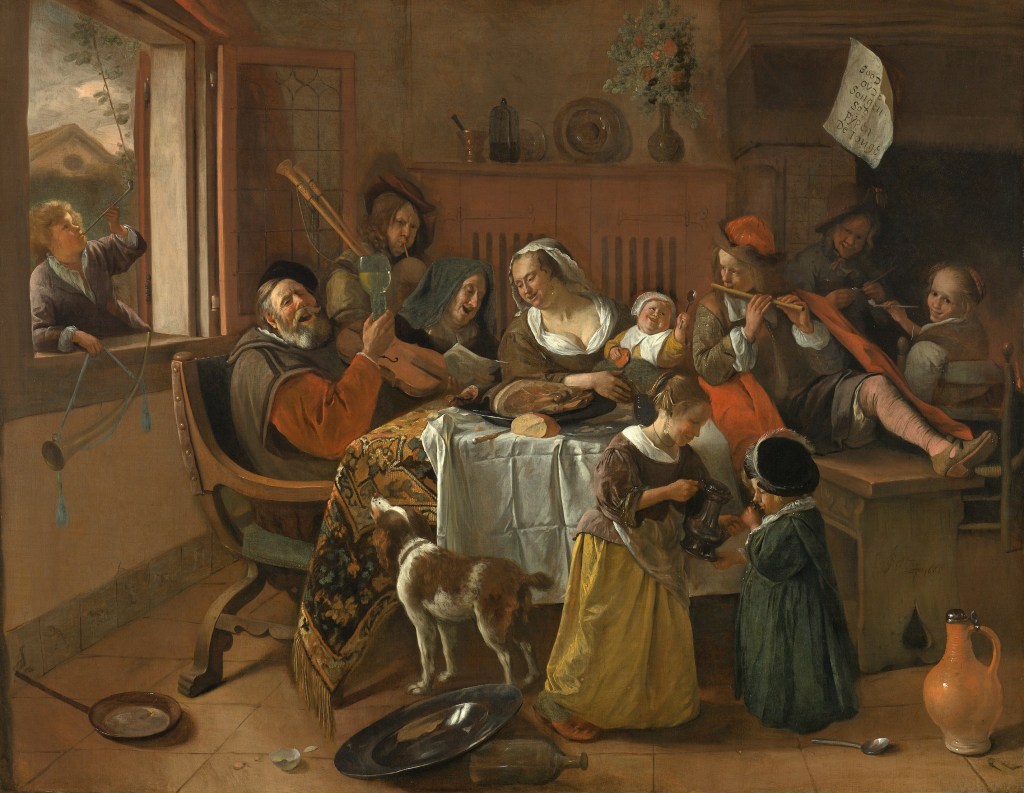
Come to think of it, laughter is a wonderful phenomenon. Because we humans do it so often, we don’t think of how wonderful it is to be able to laugh. In a moment, all your sorrows can be blinded by a jolt of mirth. Laughter is what makes us human. No other creature on this earth can laugh, in the true sense of word, than humans. Only humans can tell, by their rational reasoning, the different juxtapositions in life that render things funny.
Because of greed and a false need to be serious every time, many have lost laughter. Many get caught up in the things of the past and worry about the things that are to come that they forget the present is worth living too. And so, they forget laughter. For me, laughter is the only thing that can bring me to the present. It is like an impulse that suddenly reminds me that everything is fine and will be fine. Laughter makes me think of now.
Laughter is also such an innocently joyful thing to do that it makes our hearts less selfish. It makes us content. A family with nothing but laughter is far better off than a family with all the money in the world, but no mirth.
Now, someone can ask, “how can I be joyful?” “So and so thing has happened to me and you expect me to laugh all the way?” “I’m not feeling good right now and you tell me to laugh?”
I do not mean that you should walk around with a smile perpetually on their face, but I do believe that even in the face of suffering, laughter is possible and makes the burden light.
As a child, I wasn’t really joyful. Out of low self-esteem, I wasn’t keen on laughing all the time. In fact, my face had begun sagging because I was always frowning, and that earned me a reputation. I almost accepted that as my personality, until I moved to Ireland… There is something about the Irish culture of cheer that makes you laugh. Not only are there many funny and happy people, there is a cultural idea of living life without burden. It was when I started living with the Irish that I discovered the gift of laughter. In many hour-long meals, I would laugh and laugh so hard that everything in life grew to be something that could be laughed about. Since then, my face doesn’t sag anymore and my low-esteem doesn’t bug me as much. So, you see? Even in times of suffering, a moment of cheer can and will make things better.
Every time is good for laughter.
As St. Teresa of Avila, a doctor of the Catholic Church, once prayed, ” O Lord, save us from gloomy saints!”
You might as well practice being joyful now. For in heaven there is no sorrow.
Play
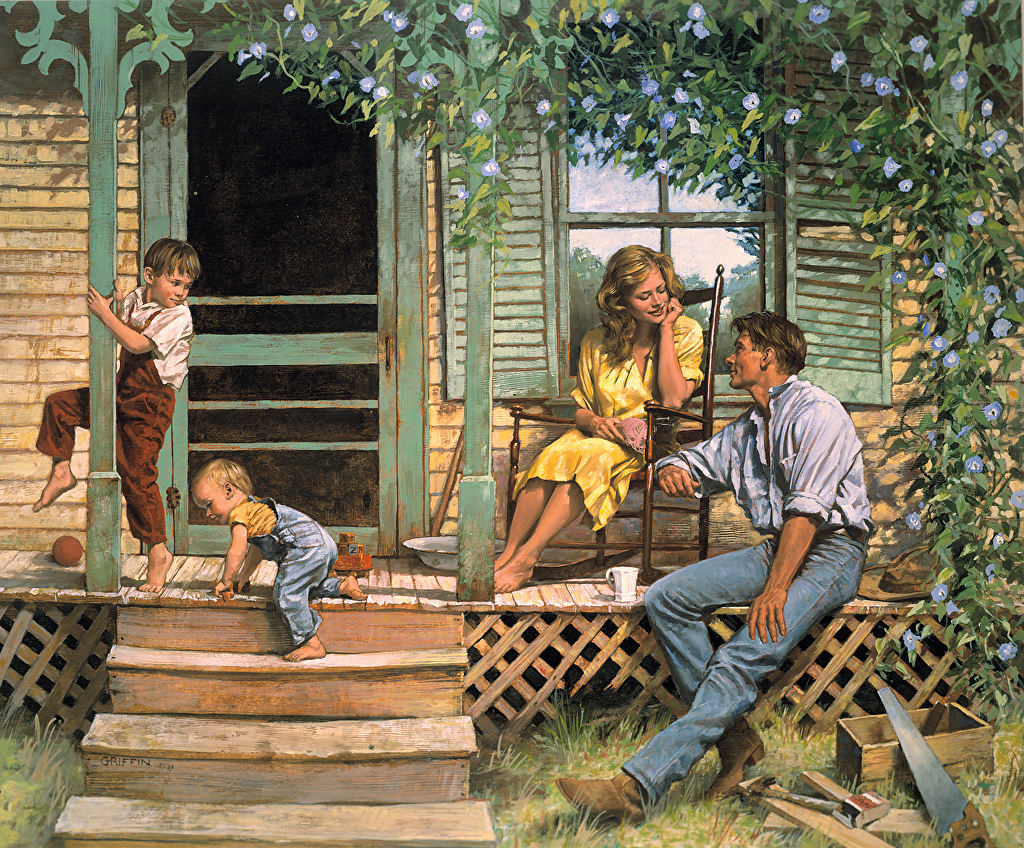
St. John Berchman, who was a Belgian Jesuit scholastic in the 1600s, is famously known for his innocent quote on leisure. One day, in his seminary, at an appointed time for games, he decided to play pool because he loved playing pool. While playing, one of his brothers walked up to him and asked, “If today was the end of the world and we only had hours left, what would you do right now?”. The young man simply replied, “I would keep playing pool!”
Not an answer one would expect, right? In fact, the reply seems very foolish, but on close examination, it isn’t. It is actually a profound lesson to learn: That there is time for everything and that the time for play is sacred.
Have you ever heard of the virtue of eutrapelia? Eutrapelia stems from Greek roots, meaning pleasantry or humor. Biblical and moral scholars have defined eutrapelia as the virtue of right recreation. In other words, something so simple and plain as playing is actually a virtue when done well. How marvelous!
This virtue has been set aside in a world with so much gloom and workaholism. In fact, it’s been forgotten. We now only view productivity as hard labor, career success, and the like. We have forgotten that the simple times whiled away in virtuous recreation are as sacred as the times of labor. And dare I say, more sacred. After labor comes recreation. Indeed, a little recreation can be put into labor to make it a ‘spoonful of sugar’. This might seem like a silly thought, but I would say that it isn’t too good to be true. Even God Himself played. He rested from work. Without rest and recreation, one cannot live. Rest is what allows you to appreciate the labor that has been done, and prepare for the next one to be carried out.
While reading J.R.R. Tolkien’s ‘The Hobbit’, I learned something inspiring from the Hobbits: They never live life in a rush. They are very hardworking, yet their recreation is sacred. Even the very idea of an adventurous fast-paced life is taboo to them. While everyone is not meant to be a hobbit, I believe living life at a slow pace, regardless of your affinities, is a lesson for all. Don’t make your life so fast that you forget why you live. You live to enjoy the fruits of your labor, and that cannot be done unless you have ample recreation. Recreation is so sacred because it allows you to think of something other than work. It allows you to be grateful for what has been done and the things you have.
On the other hand, this should not be taken as a license to be lazy or to engage in debaucheries. Eutrapelia is the mean between downright sloth and excess debauchery. It is only the person who has worked that can rest. If all you did was rest, recreation, just like any other good thing, would lose its magic. And it has to be the right recreation. Getting drunk on alcohol or engaging in other toxic activities as your ‘recreation’ may feel uplifting in the moment, but it only leaves you drained later. That is not what Eutrapelia does. It doesn’t drain the soul, it revives it.
So, right play is important, but only after labor has been carried out. But stick this into your skull: Play is important. And it has to be the right one.
Finally,
Good food, music, laughter, and play… I’m sure there is so much more detail in these gifts. These gifts are what make life bearable, and even magical when cherished the right way.
” If more of us valued food and cheer and song above hoarded gold, it would be a merrier world.” J.R.R. Tolkien.
Do you experience these gifts in your life? Do they make life more endurable and magical? Let me know!

Au revoir,
Christine.




 DREAMS OF TOMORROW
Leave a Reply