
If you’re like me, who never stays true to a diet or exercise regime, despite the desire to keep fit, welcome home!
On a blessed Friday evening, while at dinner with friends, I met a lovely French girl. What began as a courteous conversation about dreary work and school life grew into a more fascinating one about the French lifestyle. So, after dinner, I went back home and did what I do best: I fed my curiosity. I had been hearing of this phrase, ‘The French Paradox’, but had never really paid attention to it, until I came across it once again, in the process of my research.
So, ‘The French Paradox‘ has to do with the idea that the French have a relatively low coronary heart disease and BMI index, despite having a diet high in saturated fat and dietary cholesterol -a diet condemned by the majority of medical literature as unhealthy. Some have attributed this paradox to the French habit of drinking red wine, which contains a heart-healthy compound, resveratrol. While that may be true, I decided to dig deeper and ask life-changing questions: Is saturated fats and dietary cholesterol really bad, even when consumed in moderation? Are the French doing other things that make them healthier than the majority of their Western counterparts?
Friends, what I found indeed is a treasure and a source of relief to my diet/exercise mind. What’s more is that this advice is nothing new to me, especially as a Catholic…
The French Diet: You can eat anything. But not everything.

I don’t know if you’ve heard this phrase before. I copied it from somewhere. Whether or not you have heard it, I’ll explain it.
In this aspect, I’ve realized that the French are a little similar to the Irish: They love and live life!
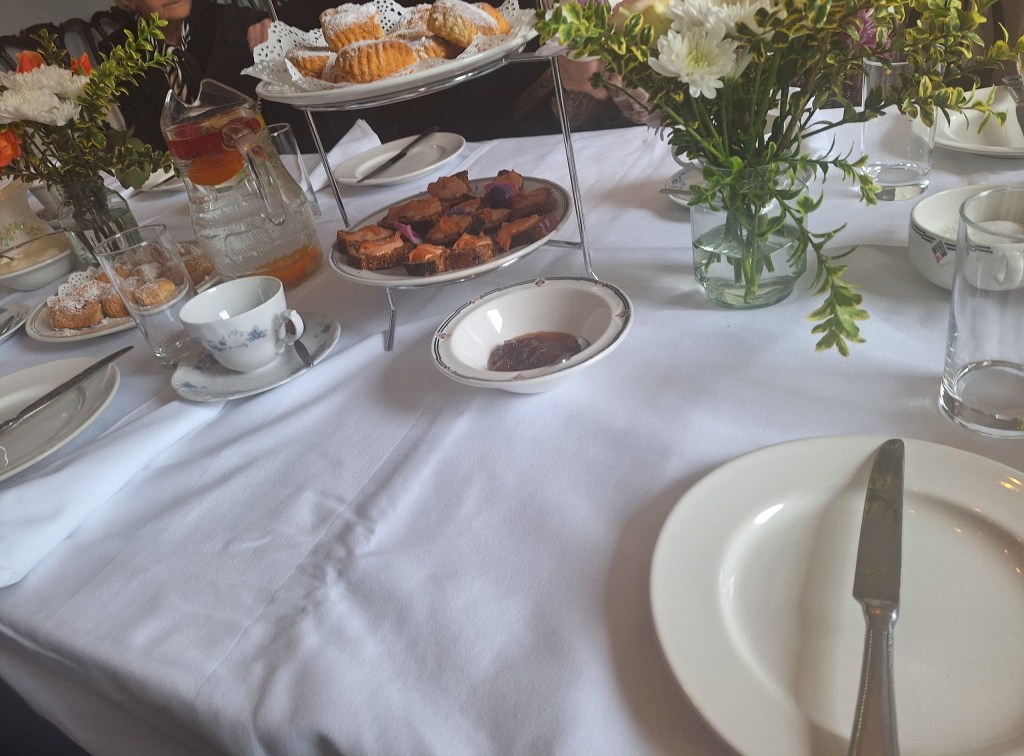
The French don’t exclude anything from their palate. All foods including sweeties and pastries, are included in their diet. However, the key is that they have everything in moderation. On a table, laden with everything you could possibly eat, you can taste every variety of food and relish it, but it doesn’t mean you can eat every article of food on the table!
That being said, it is so much easier to live life, knowing that nothing is restricted from your diet. Then, you can manage your sugar cravings so much better. If you crave some cookies, have one or two and leave the packet alone. If you go into a cafe and would like to have some pastry with your coffee, have it, but don’t make it the norm. If dessert is served at dinner, delight in it, but forget second rounds.
Another thing that can be included in this topic is that the French never snack in between meals. And if they do, they keep it mindful and moderate. There is no popping open a bag of crisps one hour after lunch, or indulging in junk food in front of the television.
You may be thinking, ” To hell with all these restrictions, I’m going to eat what I like whenever I feel hungry…”
I do. I eat whenever I’m hungry. But the important nuance to this is that I make sure that I’m hungry, and if I do eat, I eat something substantial and nutritious. That brings me to my next point…
The French Food Rule: Invest in the quality of the food you eat, and enjoy it.
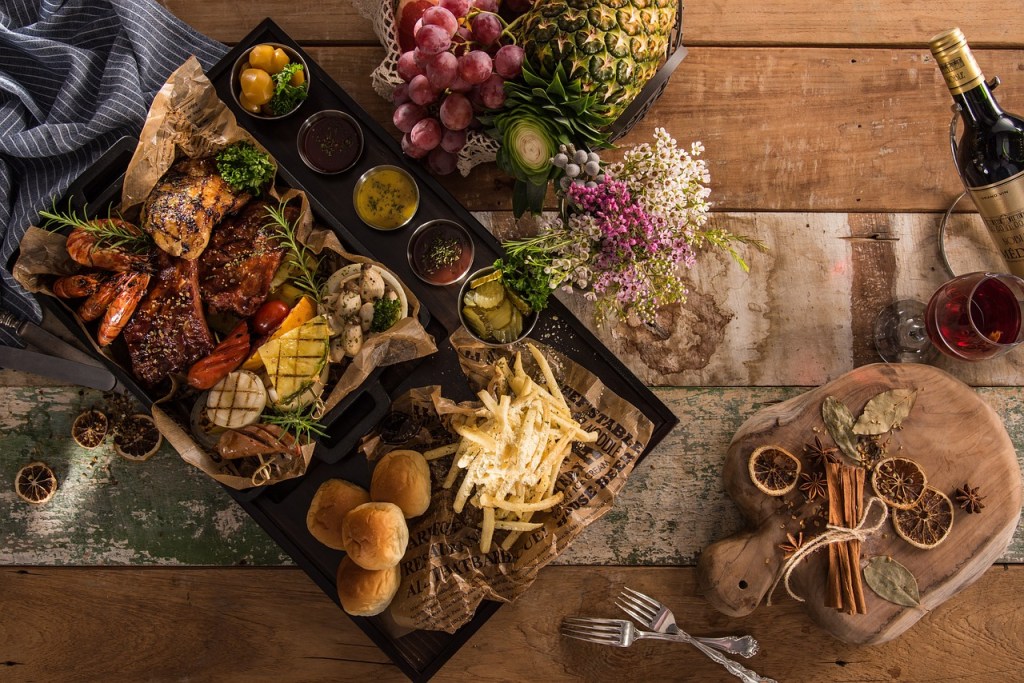
During my research, I found that a diet including saturated fat like animal lard, butter, cheese, and other dairy products is actually good for you. Not only does it provide compounds for organ health, but it also makes you eat less. Because these foods are high in fat, you only need to eat less to be full, and you remain satiated for a long time. The same goes for high-fiber foods, like whole grains, vegetables, fruits, etc. Ultra-processed foods, which comprise regular fast food, store-bought food items, etc. do the opposite. Most times, you need to consume more of these to feel satiated. However, these foods contain fewer natural nutrients, so you end up eating more (calories), for less (nutrients).
In a typical French diet, there is a significantly higher portion of whole foods than processed foods. Moreover, since the habit of eating high-quality foods is part of the culture, they don’t think about the need to fulfill their nutrient requirement. They truly enjoy eating good food. And they spend time eating it. They also make sure to have three satiating meals a day. That way, there is seldom a need to snack between meals.
Personally, I have never been a chap for junk food. They never make me feel great. I end up feeling bloated, sick, tired, etc. after having low-quality food long-term. So, this advice was very much welcomed by me. However, I understand the majority argument that eating healthier is more expensive and time-consuming. Though this is true to some extent, I believe that even a small change in your diet composition will make a difference. Nobody is saying that you should never have a burger in your life, but make it something of an occasion. If your diet is 80% ultra-processed food, make it 70%, or even 40%. Again, it doesn’t mean you exclude it from your palate completely, it just means you eat less of it.
Find wholesome recipes that are also tasty and easy to make. Make time to cook your food, or source your food very selectively.
Whatever you do with food, remember the last rule: You can eat anything, but not everything.
You will be having your cake and eating it at the same time. Trust me.
The French Life: Be happily active.

I don’t know about you, but just the thought of walking to the gym gives me a stomach whirl. Even if I want to go to the gym, there is often no time for me to do that. But, again, the French have come to my rescue!
The French don’t think about exercise. I have read that gyms are actually opened later than usual in France… So, how on earth are the majority of French people still in shape?
They simply stay active. And here’s the catch… They enjoy it.
I used to come across a lot of lifestyle clips and advice from the 1950s. One such bit of advice I stumbled upon was how to keep fit in a day’s affair. 70 years ago, the average man or woman didn’t stay at home, watching television all day. Even the classic vintage housewife was up and about, running errands for the house, family, friends, etc. In other words, compared to this day, the average activity level was high in the old days. And the populace was so much more fit, even though we have more exercise/fitness programs and regimes today. I would say we have lost their secret if I hadn’t known about the French lifestyle.
In my experience living in Europe, I have seen the streets are made for walking and cycling more than for driving. The streets are narrower. The cars are relatively smaller, and it’s more expensive to own one than to use public transport. As a result, people walk/cycle a lot over here, compared to American countries that are very large. As a student, I often complete my step count of 6000-10000 steps just going to college and back every day. It’s hilarious how I don’t even count that as exercise, whereas it is!
Now, you may not have the opportunity to get a lot of physical activity in your daily life, because of work, studying, etc. However, make small changes to your activity level, which will make a difference. Never shy away from doing small activities in your free time.
The bigger advice is to find outgoing hobbies you love and engage in them as much as possible. Whether it’s walking, dancing, jogging, biking, cycling, gymnastics, sports, skipping, swimming, or even going to the gym, do those things and enjoy them. Exercise should not be seen as something to dread, and if you do see it as that, change the type of activity you do.
Personally, I love taking walks, especially with a friend. It’s a lovely opportunity to observe nature, and walking has always been a source of inspiration for me.
Depending on the activity you like to engage in, your muscles may not be toned and you may not have a six-pack. But you will be healthy. And that’s granted!
Have I heard these pieces of advice before?

While reading an article on the French lifestyle, I once said to myself, ” That really sounds like the Christian view on moderation of externals and good use of leisure…”.
All the world says is to have a perpetual good time. And what is meant by ‘good time’ is a highly-stimulating activity that often involves debaucheries and leaves one feeling drained/tired of life in the ‘low moments’. In other words, the world idolizes good feelings and pleasure, and advice you seek after these things perpetually, in whatever shape or form. When you are hungry, eat till you explode. When you are bored, sit in front of your phone or television for hours. Do exercise, but exercise is only for the strong-hearted. Your productivity output at your job is the only thing you should work for. Every other thing in life can be rushed. I can go on…
But, the Christian view of life is so much more different and better: Don’t seek after vain pleasures that come and go in a few seconds. Find occasions for happiness as your day goes. Engage in wholesome and stimulating activities that bring you up, not drain you. Don’t be afraid of suffering, rainy days only make it more satisfying when the sun comes out. Enjoy the things in life with moderation, then you will never get tired of them as King Solomon did. Work is important, but so is play. You should work to live, not live to work. Live life slowly, you only have one life…
I recalled all these wonderful words as I studied French diet and lifestyle. And as far as I can say, they’re all true.
In a nutshell,
I could definitely take some tips from the French on living life.
Now, do the French have everything right? Like every other society, of course not. Are the French the only people with relatively healthier lifestyles? No. Where I come from, the average family eats homemade meals around the clock. Fast food is astronomically more expensive than fresh produce from the market. Moreover, people are so much more active because of the high transportation costs and work dynamic. And whatever we’re doing, Nigerians make sure to crack up a joke and tell stories. I grew up eating homemade meals, playing outside after school, and having a really good time with family and friends. Even in other European and American countries, I’m sure some families also have a culture of eating whole meals and staying happily active.
However, when I see good advice, I take it. This time, I found the French lifestyle something I can be inspired by. And I hope you are inspired too.
Of course, a Parisian can speak more about this topic than I ever could. As such, for a more in-depth article, take a look at this blog post by Léonce Chanel.
Have you ever been interested in the French lifestyle? Do you incorporate some of their habits into your daily routine? Let’s talk!
Au revoir,
Christine.





 DREAMS OF TOMORROW
Leave a Reply