

Why is romance among the most popular book and film genres? More importantly, why is it most popular among women? Should we be reading romantic fiction, as Christian women?
As beings with a heart, we cannot live life without desiring love. It was out of love that we were made. It is because of love we exist. The story of humanity -our creation, redemption, and sanctification- is one big story of love, and from time immemorial, humans have sung of love, romance, and intimacy. Most of the spectacular pieces of literature, from the ages of Greek philosophers to medieval tales to writings of the Renaissance, have a central theme of romance. And it is by love that we know ourselves, our neighbors, and the God who created us.
So, in and of itself, writing and reading about love or romance is not a vice. However, as with every good thing, romantic tales in literature can be thwarted. Instead of a story of love, many stories have glorified lust and licentiousness. Even with wholesome tales of romance, we, especially we women, tend to forget where real love lies -in whom real love gets its source. Romantic storytelling is not forbidden, but, it has to be wholesome, and consumed the right way.
A few questions to be explored are: Why is romantic storytelling an age-old phenomenon? What is the real purpose of romantic storytelling? How can stories of Christianity satisfy this yearning to hear of love and be loved? Why are we women more drawn to romantic tales? What are ways women can engage with romantic storytelling without falling into sin or fantasies?
Why do humans tell stories?
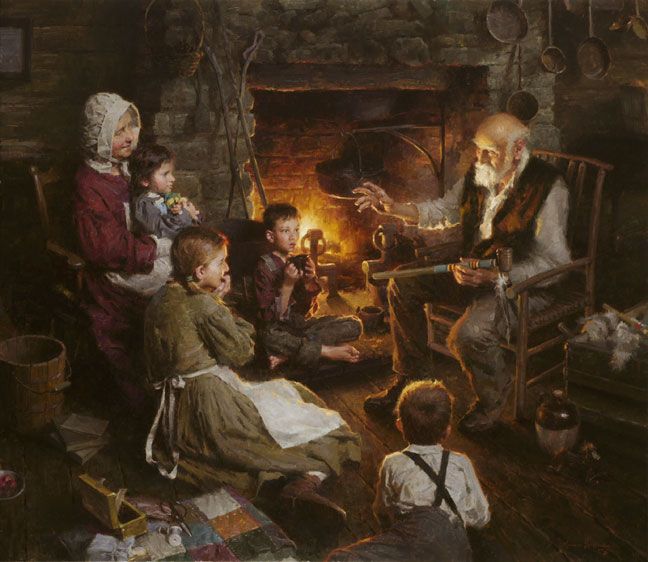
Storytelling is crucial to our nature. As rational social beings who live in time and space, we have always used stories to explain the reality of our existence. We use stories to explain truths of nature, our culture, history, religion, etc. In short, telling stories is how we communicate and understand ourselves and the world we live in. One of the main reasons Christ wrapped heavenly truths in earthly parables was to make those truths understandable to us. In our feeble minds, we often need stories to enliven an abstract fact and make it more memorable. Animals don’t tell stories, because they have no rational intellect. So, telling stories is a human thing.
In light of that, humans tell stories of romance simply because romance is essential to our existence, both materially and spiritually. Love is what keeps the species alive through sexual intimacy. On a greater level, love is what sustains our being. As I previously noted, we were made by the One who is love itself. So, naturally, romance is an instinct. Humans tell stories about romance as a way to satisfy the instinct to love and be loved.
But, what is the real purpose of romantic storytelling?
As I’ve learned over the past years, the purpose of romantic storytelling should be nothing less than reflecting the truth of God’s love for us. A truth, like God’s love, can be made understandable by making a story of it. One obvious example is the Bible, which tells of the many ways that God has intervened in His creation out of love. But, this may extend to fictional and non-fictional stories alike. I have come across amazing stories that really portray love as it should be: pure, innocent, and mysterious. Those stories have always left me thinking of love, pondering on the truth that they reflect: God’s mysterious love for us. Likewise, I have come across tales of lust that really did nothing more than excite the passions momentarily.
Again, people have mistaken lust for love, and under this error, many books and book genres have been created, falsely tagging themselves as ‘romance’ and leading their readers into unhealthy expectations of love.
While reading C.S. Lewis’ book, ‘Mere Christianity’, I came across a wonderful idea that I had never really thought of before. He wrote about how we often view ‘being in love’ as ‘loving’. ‘Being in love’ is merely the feeling which may be there some days, and may not be on other days. Whereas, ‘loving’ is not the feeling. ‘Loving’ is in the will. Hence, true love is not a feeling. It’s an act of the will. But, why do most romance novels glorify this ‘feeling’ as true love? Not to say that the feelings should be removed completely, but like every realistic romance, there should be sunny and rainy days, and ultimately, the tale should show how the ‘true love’ between two characters triumphs.
Obviously, depending on the plot of a particular story, there may be nuances to this -and there are- but the bottom line is that romantic stories, like every other story, should have a lesson or some inspiring thought that can impact the reader’s life positively.
Does Christianity have any romantic stories to offer?
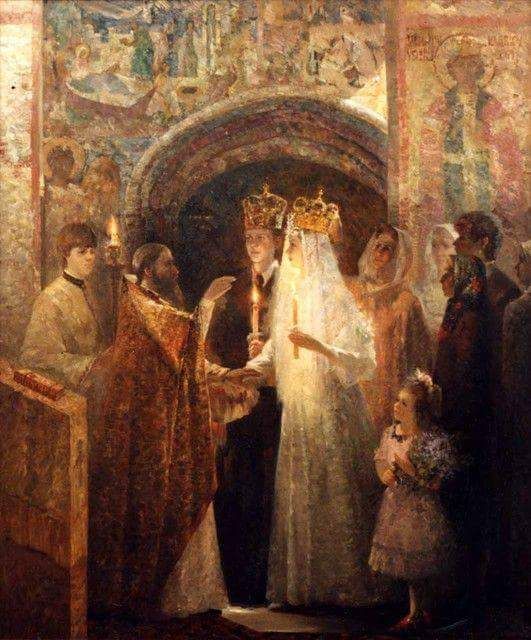
Countless. In fact, apart from sacred scripture, there are many accounts of real-life love stories in Christian history that make the heart flutter. For example, I could start from the stories of the martyrs to that of Catholic married saints, religious, etc. Also, there are countless love stories, whose morals are inspired by the Christian gospel of love. From the confessions of St. Augustine to stories by Shakespeare, Jane Austen, Victor Hugo, J.R.R. Tolkien, C.S. Lewis… And so on. The common thing with these types of stories, often having some romantic themes in them, is that they tell a moral story that reflects a truth. For instance, the tale of two lovers in Fair Verona (Romeo and Juliet) teaches, among many other things, that strife and malice between two parties never benefit either. Another common thing, which in my opinion, is a sign of a wholesome romantic story, is that these types of stories never tell of romance as a lone theme. These stories explore themes of brotherhood, family, friendship, jealousy, trust, betrayal, etc., which all weave together and create a multidimensional romance story that feels real and inspiring. Because in reality, romance is affected and pushed around by many other aspects of human life -some good, some bad. These stories help us see that, while teaching impactful lessons.
I am not saying that romantic tales without a Christian background are not good. Indeed, there are many amazing stories out there that have nothing to do with Christianity, but are still wholesome. However, I think that even these stories work off of the formula that Christianity glorifies: True sacrificial love, innocent and pure, only seeking the good of the beloved.
And friends, even without reading romantic tales, I realize this truth every day, when I think of God’s love for me.
Now, what makes us women more drawn to romantic stories?
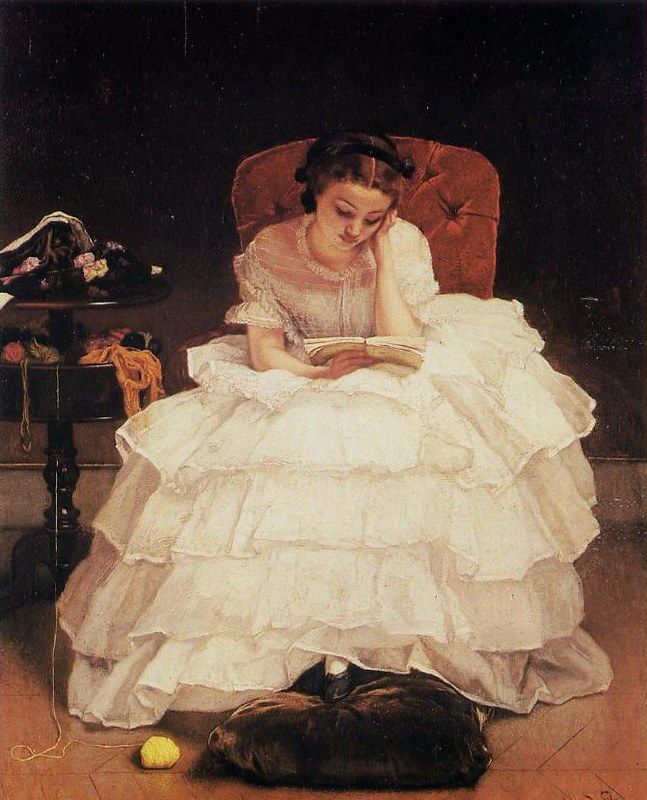
After doing some research into this topic, I can compress all my thoughts into one answer: Women are typically more empathetic and possess a wider range of emotions than men, making novel reading an appealing hobby for us.
As with real-life associations, women are more attuned to feel whatever characters in a book are feeling. Our brains are wired to emotional connectivity more than they are in men. Not to say that men don’t read books, but most men read for different reasons. Most men read books because they are interested in a specific skill, idea, timeline, civilization, etc., and want to follow up on it. Therefore, men are more apt to read non-fiction books, tailored to abstract things. Whereas, women read to see a world through other eyes -those of the characters- and thereby, understand themselves and their desires.
So, of course, romance is a popular genre among women, simply because women desire to be loved. Men desire to be admired. Women desire to be loved. Our brains tend to ponder intimate connections more deeply, and most times, if romance is not in our lives, we will seek to ponder romance in other lives -be it that of a fictional character or a living friend. This is the reason romance is a more popular genre, among single women.
This desire is not bad. It is part of our womanly essence, but we have to harness it the right way. Reading wholesome romance stories is one way, but a better way is to tap into reality and discover God’s love in our lives. Only His love can satisfy our incomplete hearts. No real or fictional romantic tale, no matter how good, can come close to the love God has for you.
So romantic stories have their place. But so does real true love.
How can Christian women read romantic stories in a wholesome way?
The first practical advice is to plunge your heart in the stories of the Saints, who, through their lives, showed the blissful exchange of love between themselves, God, and their neighbor.
Another practical advice is that when it comes to romantic fiction, be very selective in the type of stories you read. Even under ‘Christian romance’ or ‘Clean Romance’, there are some books, whose content makes me raise my brow. As a rule of thumb, I often limit my choices to classics, but if there is a very good contemporary book out there, I will read it. Please see my Pinterest board for some good recommendations.
The third and most important advice is to stay real. No matter what you read, oftentimes, these stories contain some unrealistic elements. And it’s only natural. It’s why we call them stories. However, you cannot expect the man in your life to be as good-looking or perfect as Mr. Darcy… So, always remember that good romance stories are told to teach a lesson, and not necessarily to depict things exactly as they are in real life.
There might be some fantasizing and imagination. I have them, too. It’s part of being a human destined for a better world that is not Earth, a better romance that can never be found on Earth.
But as much as possible, keep your thoughts on romance and love real -which includes moderating your consumption of romantic fiction.
With all that being said,
Is reading romance books as a Catholic or Christian woman bad? To read or not to read?
Depending on what you mean by ‘romance’, the answer may be ‘yes’ or ‘no’. But objectively, romance is not a vice. It is a virtue. And how I wish more stories would depict it as such.
What are your thoughts on romantic stories? Do you think it’s perfect to cut them all out? Or do you only indulge in choice pieces? Let me know!

Au revoir,
Christine.






 DREAMS OF TOMORROW
Leave a Reply